
Real hardware.
Controlled operations.
Nexus lets AI agents run tests on your real hardware through MCP. You decide what they can touch, and every run is recorded on the appliance.
4 quick questions · about 30 seconds · no sign-up
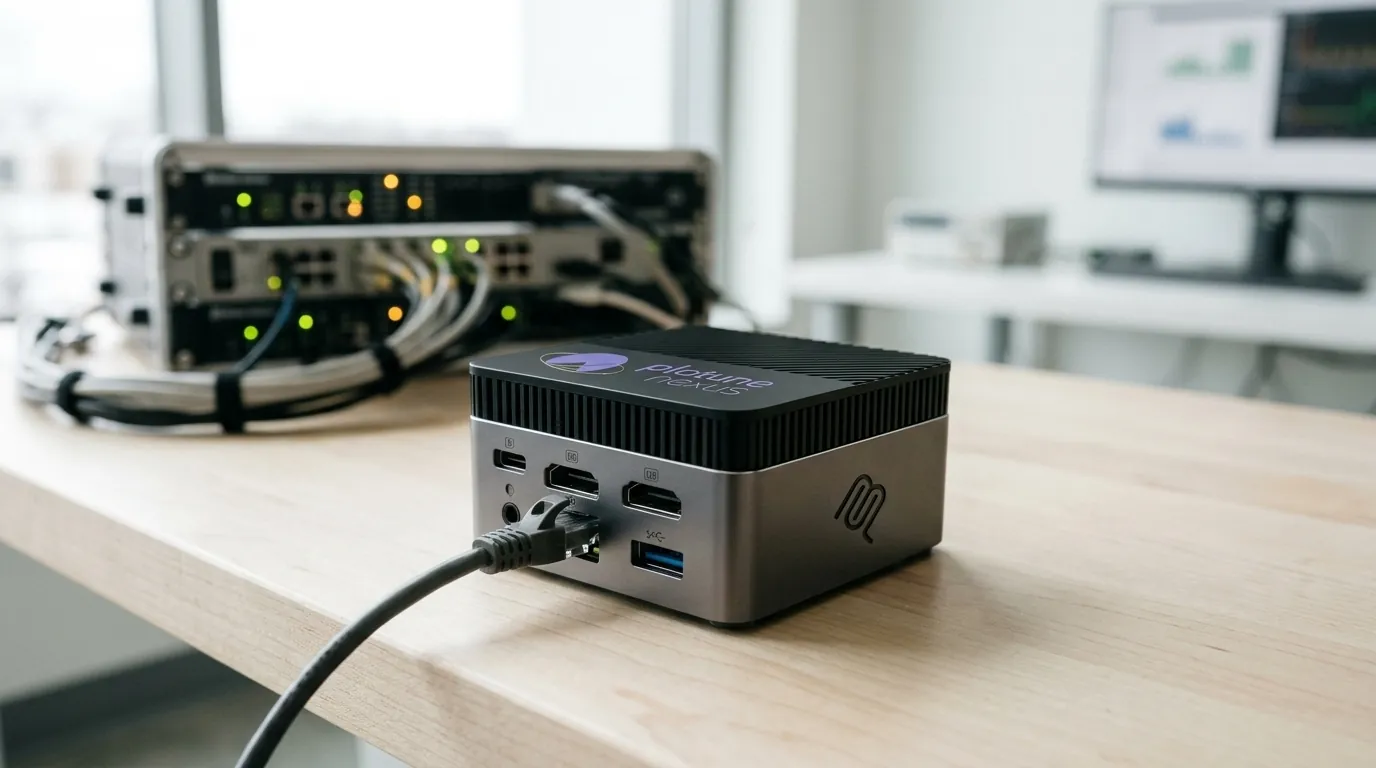
What teams do with Nexus.
Four workflows, from a single CAN bus to AI agents on real hardware.
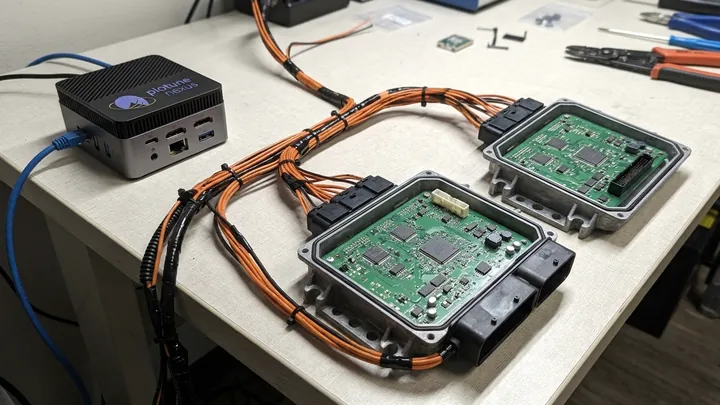
CAN / ECU testing
Acquire the interface, send only the approved message, gate on decoded signals and package the run as one reviewable artifact.
See the workflow →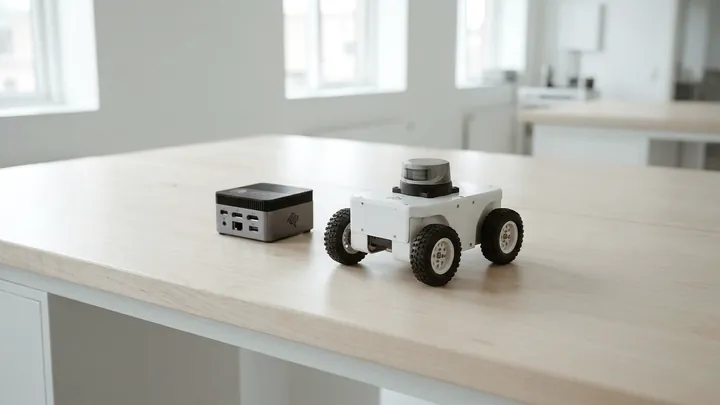
ROS 2 / DDS testing
Run unattended hardware tests and judge requirements on live telemetry, without ROS tooling on your side.
See the workflow →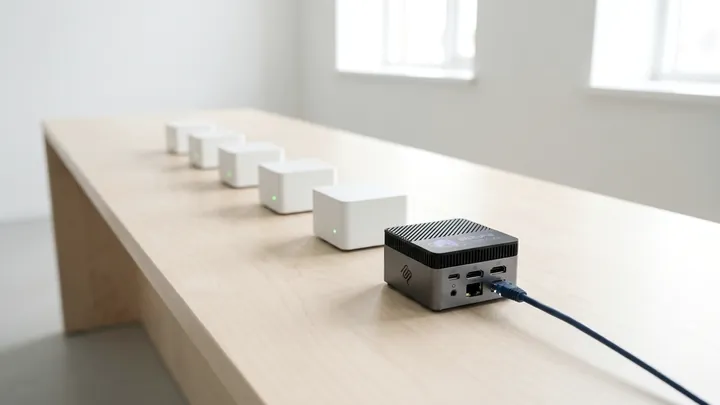
Test automation
Let agents run, watch and re-run sequences, so an engineer is not needed in the loop for every build.
See the workflow →
AI hardware-in-the-loop
Give AI agents access to real hardware while you keep control of the boundary.
See the workflow →One controlled surface.
A physical result.
A request goes in, a bounded operation runs on the bench, evidence comes back.
Requests a bounded operation
Applies access and execution controls
Interfaces with connected equipment
Conceptual workflow. No hardware is connected.
Conceptual flow. Available operations depend on transport, connected hardware, access and configuration.
Speak the language
of your system.
Use the supported transports on your bench, rig or vehicle. Compatibility matrix ↗
CAN / CAN FD
Linux CAN transports for bus interaction and capture.
UART
Serial interfaces, including RS-485 and modem-control lines.
XCP
CAN and Ethernet transports with different supported operations.
UDS / DoIP
Diagnostics through reachable network and CAN transports.
ROS 2 / DDS
Join an existing DDS domain, discover topics and record evidence.
Discover. Execute.
Record what happened.
A bounded workflow, from requirement to evidence.
Inspect the system
Discover the available interfaces and current state before requesting an operation.
Run a bounded operation
Use the relevant MCP tools and job controls within the configured access and execution limits.
Keep the evidence
Return status, metadata and retrieval paths for locally recorded logs, traces and artifacts.
Know the boundary.
Local-first operation is documented alongside cloud dependencies, hardware compatibility and current constraints. Start with the architecture and security model.
Read the Nexus documentation →Rent it for a project.
Or keep it.
Monthly rental or one-time purchase, with full functionality either way. See the options and what they cost for your project.
Map Nexus
to your bench.
Not sure it fits yet? Tell us about your hardware, interfaces and first workflow.